


Latest articles
Follow Us




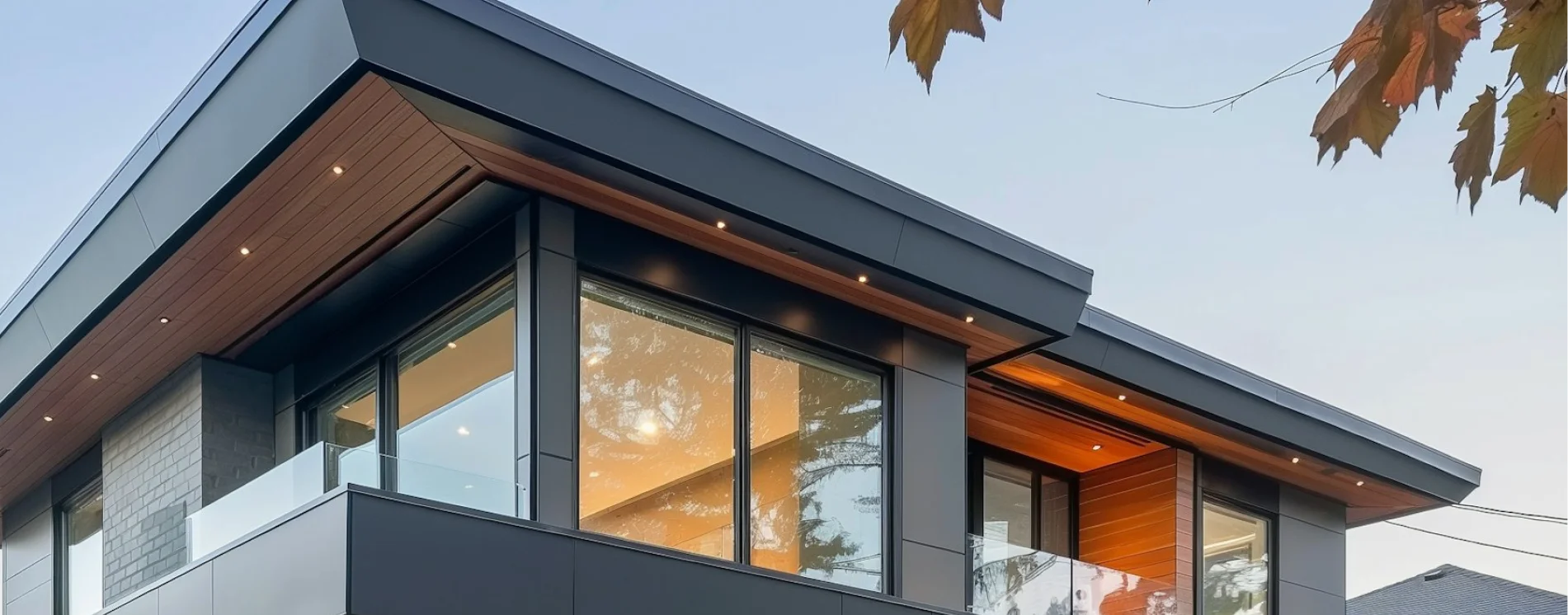
Building a custom home is exciting, yet more than 60% of Aussie builds face delays or budget blowouts simply because the planning wasn’t tight.
That’s when the stress kicks in. Choices pile up. Costs shift. Timelines stretch. Suddenly, your dream home feels harder than it should be!
A solid pre-construction checklist changes everything. This guide breaks down the key steps, helps you stay in control, and sets you up for a smoother build from day one. Let’s get your custom home off to the right start.
Careful pre-construction planning shapes the entire experience of building a custom home and sets the standard for quality, cost control, and long-term comfort. Strong planning aligns your ideas with practical outcomes, ensuring your design suits your lifestyle, your land, and your budget.
It also helps you identify potential challenges early, from council requirements to site constraints, so nothing catches you off guard later. With the right preparation, your build becomes predictable rather than stressful, giving you clear timelines, accurate costs, and confidence in the decisions you make along the way.
Good planning also allows your builder to understand your expectations from the start, which means fewer variations and a smoother workflow on site. For custom homes, the foundation of success is never the concrete pour. It is the preparation that happens long before construction begins, shaping a home that feels considered, functional, and beautifully built.
A strong custom build starts long before construction begins. This checklist gives you clarity, direction, and confidence at every step of the journey.
A strong custom build begins with a clear understanding of what you want your home to feel like and function as. This stage is about shaping ideas into a real direction.
You consider lifestyle needs, design preferences, long-term comfort, and any must-have features that will define your daily living. Thinking carefully about how you use each space helps avoid changes later that can slow progress or increase costs.
When your goals are well defined from the start, every decision becomes easier, and your custom home begins to take shape with clarity and confidence.
Selecting the right builder determines how smooth the journey will be from planning to handover. You want a team that understands custom design, communicates clearly, and offers a reliable process that keeps everything on track.
Experience with complex builds is important because it ensures your vision is handled with care. Transparency also matters, especially with timelines, costs, inclusions, and expectations.
A good builder becomes a partner who guides you, helps manage decisions, and reduces stress. When you choose a trusted and reputable team, your custom home feels achievable, organised, and genuinely supported from day one.
Every custom home must work with the land it stands on, which makes proper site assessment essential. This stage helps identify soil conditions, access restrictions, slope behaviour, vegetation requirements, and council overlays.
Understanding these factors early allows you to design realistically and avoid costly changes once building begins. Surveys, soil tests, and geotechnical reports reveal important details that influence your foundation, drainage, and structural needs.
When your site is fully assessed before design and budgeting, the entire build becomes more predictable and far less stressful. Strong feasibility checks always protect your investment and timeline.
A detailed budget gives structure to your plans and reduces the risk of financial surprises later. This stage brings together build costs, design fees, permits, site works, and contingency allowances for the unexpected.
It also helps you decide where to prioritise spending so your home reflects your lifestyle without stretching your limits. Clear financial preparation ensures your builder can quote accurately and helps keep variations under control.
When your budget is realistic and well organised, you move into construction with confidence, knowing every major cost has been considered and nothing important has been overlooked.
Design and drafting transform your vision into a working plan that guides the entire build. This stage involves developing floor plans, elevations, materials, and structural requirements that match your lifestyle and site conditions.
You work closely with designers to refine function, comfort, and overall flow. Good design should feel both practical and inspiring, creating a home that supports daily living while still offering moments of character.
Drafting then turns these ideas into technical drawings your builder can follow precisely. When these details are completed carefully, construction runs smoothly, and the final result aligns beautifully with your original vision.
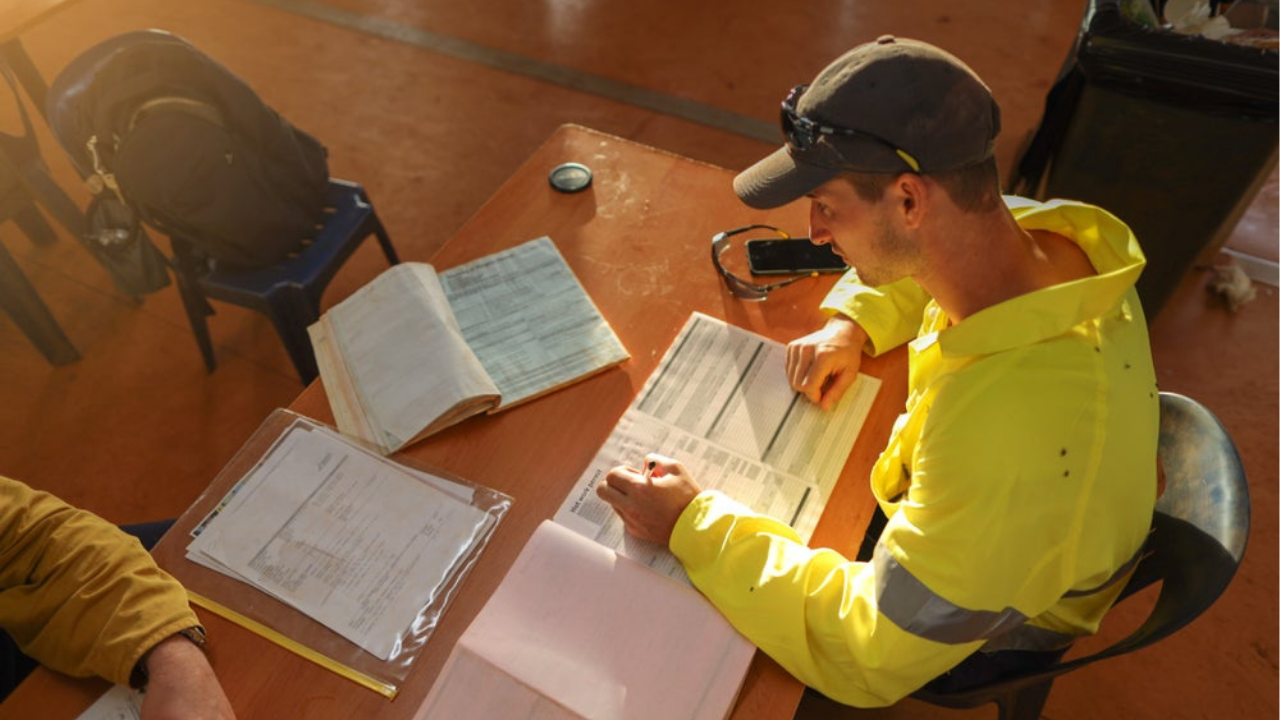
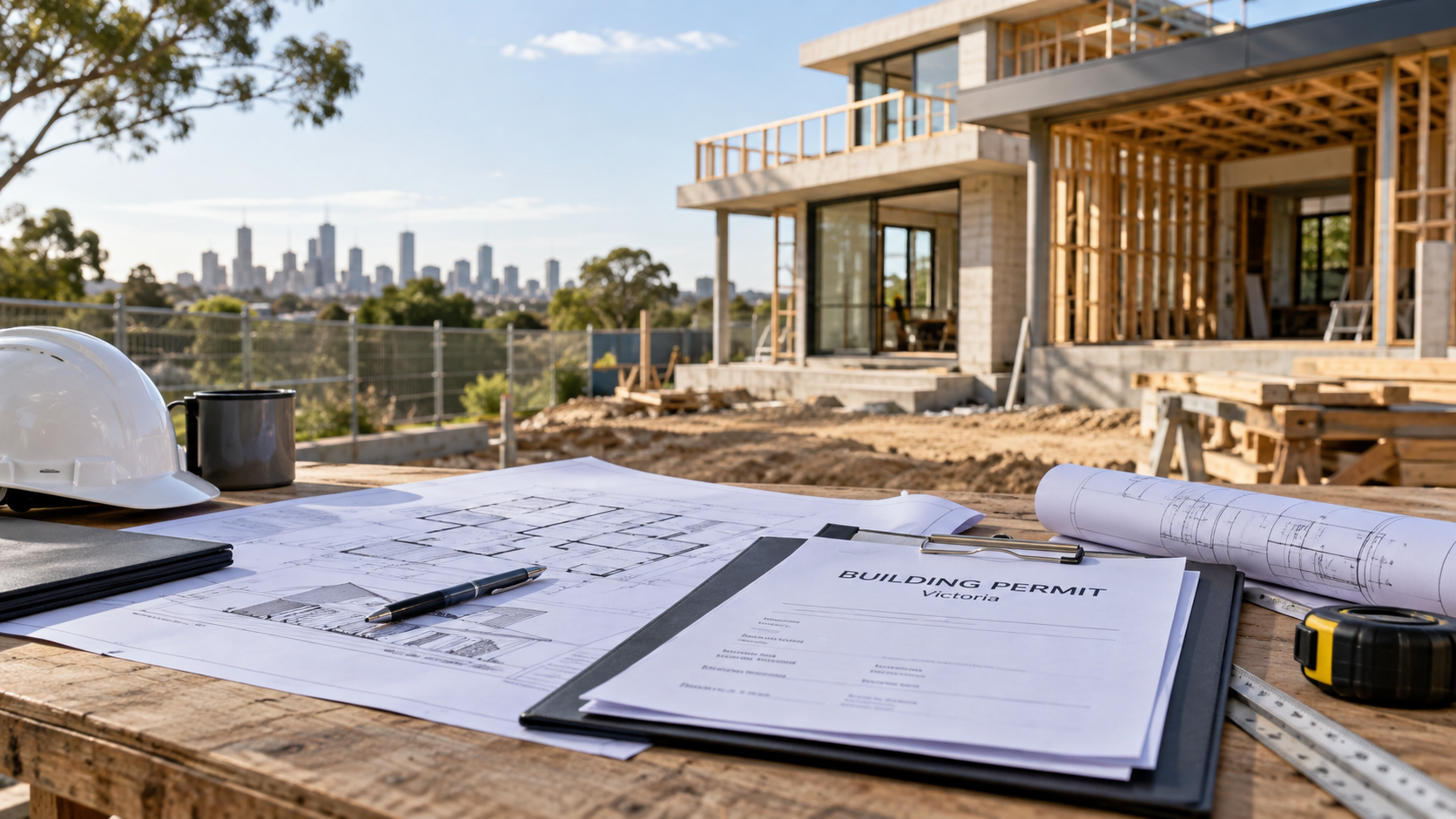
Every custom build must meet local regulations, planning rules, and structural requirements, which makes early documentation essential. This stage covers council approvals, building permits, engineering reports, and compliance documents that protect your project from legal or safety issues later.
Having everything prepared correctly avoids delays once construction begins and ensures your home meets Victorian standards. It also gives your builder a clear roadmap, reducing the chance of last-minute changes. When approvals are handled early and accurately, your build progresses with confidence, clarity, and complete peace of mind.
Material selections play a major role in budget accuracy and overall design cohesion. Finalise your choices for flooring, tiles, cabinetry, appliances, fixtures, and finishes at this stage.
Early decisions help builders lock in lead times, confirm pricing, and avoid delays once construction starts. This process also ensures the interior and exterior design feels consistent with your vision.
By working through selections before the build begins, you reduce the risk of late changes that can affect schedules and costs. Clear materials planning strengthens coordination between suppliers, trades, and project managers, creating a smoother construction journey.
Clear scheduling is vital for avoiding delays and coordinating trades effectively. At this stage, your builder outlines the timeline for excavation, foundations, framing, and all major milestones.
Site preparation may include clearing vegetation, organising temporary services, and ensuring safe access for machinery. Weather, materials, and council conditions are also considered to create a realistic plan.
When site preparation is handled properly, construction begins smoothly and progresses without unnecessary setbacks. This groundwork ensures the build stays organised from the moment the first machinery arrives on site.
Good risk management protects your home, your builder, and everyone who enters the site. This stage involves identifying potential hazards, creating safety plans, and ensuring all trades follow proper procedures. It also includes managing structural risks, site access, stormwater behaviour, and temporary support systems.
Strong safety planning keeps the project compliant with Victorian regulations and prevents costly incidents that could delay progress. When risks are assessed carefully before work begins, your build is more predictable, safer, and far better protected throughout every construction phase.
The final review brings your entire project together before any work begins. This is the moment you confirm plans, inclusions, selections, contracts, timelines, and communication expectations. It ensures every detail is correct and nothing important has been missed.
A thorough review protects you from misunderstandings, last-minute changes, or surprises during the build. Once everything is approved, everyone moves forward confidently and construction can begin with full clarity. This final step sets the tone for a well-managed and efficient custom home journey.
Smart planning can save thousands, prevent delays, and keep your custom build on track. Here are the common mistakes to avoid early.
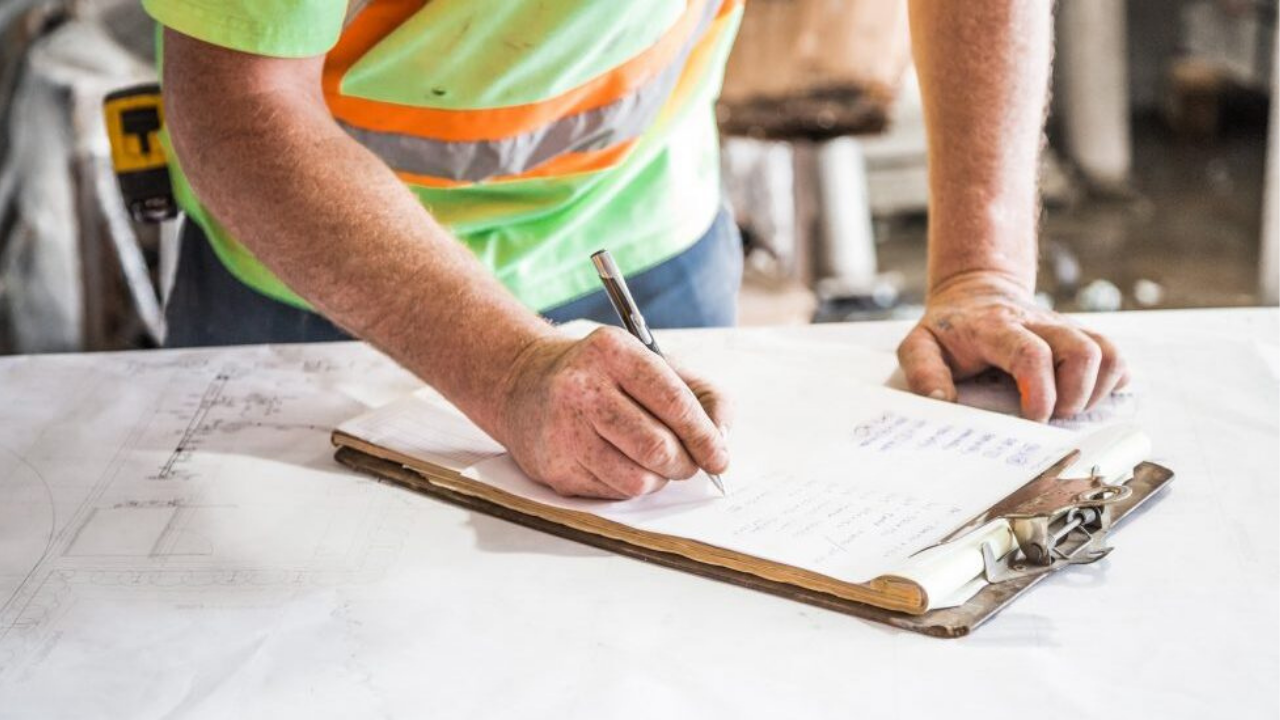
ROMAAC Group stands out as a trusted partner because clients receive more than a build. They receive a guided experience shaped by expertise, clarity, and genuine care. Every project begins with a deep understanding of your lifestyle, budget, and long-term goals, allowing the team to design a home that feels personal and thoughtfully crafted.
With a full-service approach that includes architecture, interior design, smart home integration, and premium construction, ROMAAC Group removes the stress of juggling multiple providers. Their transparent communication keeps you informed at every stage, while strict quality control ensures every detail meets a high standard.
Clients value knowing their builder is proactive with permits, engineering, and site assessments, which protects timelines and prevents surprise costs, from the first conversation to the final handover.
ROMAAC Group offers a process that feels organised, supportive, and tailored. This is why Melbourne homeowners trust ROMAAC Group to bring their custom home vision to life.
A well-planned custom build gives you clarity, confidence, and a smoother path from first idea to finished home. When every step is mapped out early, you avoid the headaches that come from rushed decisions, unclear budgets, or missed approvals.
Strong preparation always pays off in the final result. If you want expert guidance, premium craftsmanship, and a team that keeps the entire process on track, reach out to ROMAAC Group.
Let’s bring your vision to life with a home that feels genuinely yours from the ground up.

.svg)

.png)
