


Latest articles
Follow Us



Architectural design slip-ups cost Aussie homeowners thousands every year, with some mistakes adding ten to 20% to the final build cost. It shocks many people how quickly a small oversight snowballs.
A misplaced wall, poor sunlight planning, or a non-compliant layout can trigger redesigns, delays, and painful budget blowouts. Suddenly, the dream home feels stressful.
This guide breaks down the most common design mistakes, why they hurt your wallet, and how smart planning helps you dodge every expensive trap. Let’s keep your build on track!
Poor architectural decisions can quietly drain a budget long before construction even begins. A design that ignores the site, sunlight, drainage, or structural requirements often leads to costly changes once builders start work.
Small adjustments quickly add up, and every redraw, remeasure, or reapproval comes with a price tag. Homeowners often feel the impact through longer timelines, higher labour costs, and unexpected material expenses.
The financial strain grows when rooms are oversized, layouts are inefficient, or key services are placed in the wrong spots. These choices increase framing, plumbing, electrical, and finishing costs. Even worse, they can affect long-term running costs, from energy usage to future repair needs.
Careful planning, expert architectural guidance, and early technical checks reduce these risks significantly. When decisions are made with clarity and precision, homeowners avoid the financial stress of rework and enjoy a smoother, more predictable building journey.
Many homeowners face unexpected cost increases because early design choices are not considered carefully enough. Here are the mistakes that cause blowouts.
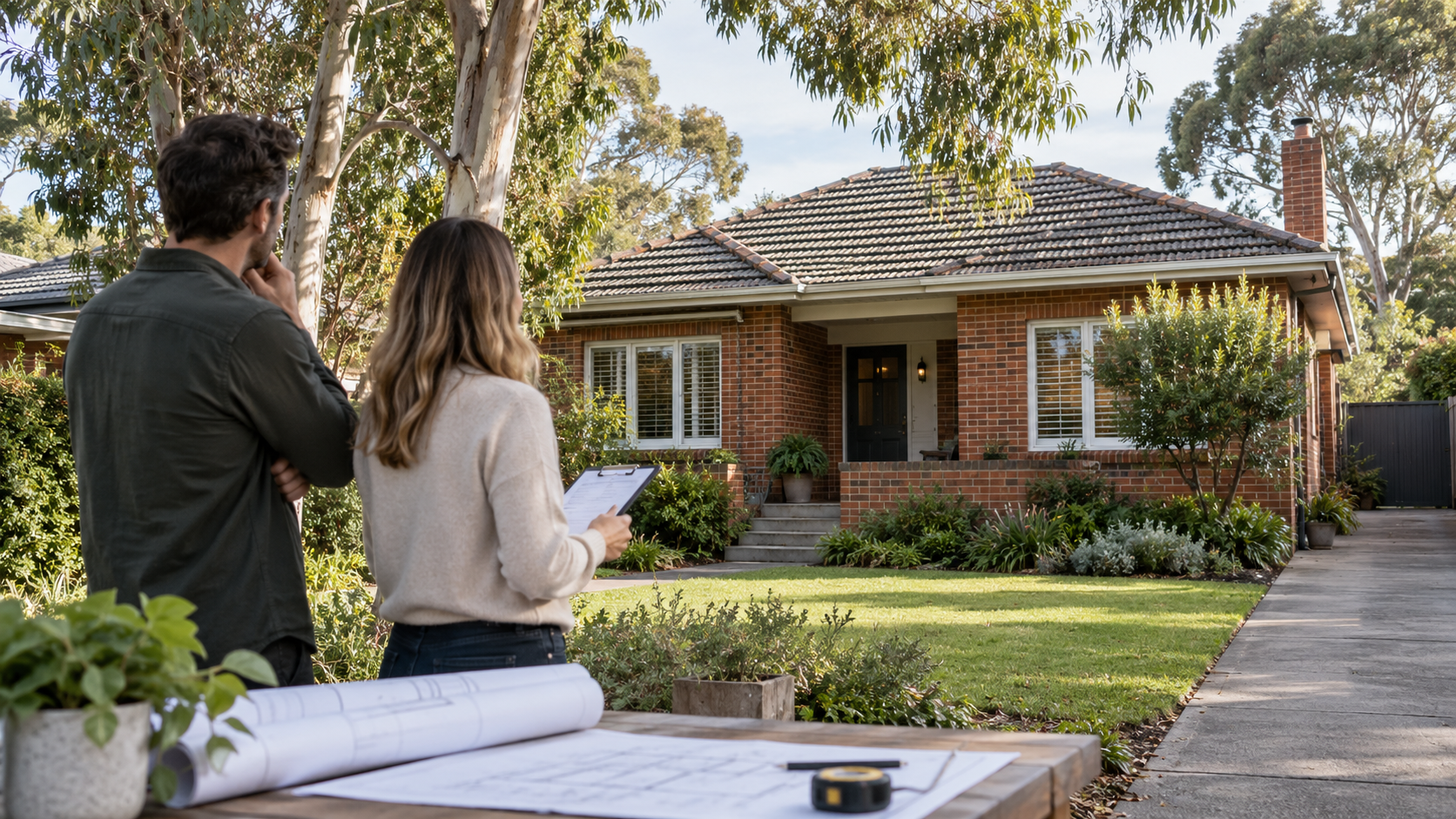
Overlooking slope, soil, orientation and drainage leads to costly structural adjustments once building starts. Homes designed without considering the land often require retaining work, deeper foundations or changes to the overall layout.
These additions increase labour, materials and time. Understanding the site early helps create a design that aligns with natural conditions, reduces risks and prevents expensive changes during construction.
Complex roof shapes often require specialised engineering, additional labour and higher-grade materials, all of which increase construction costs. Multiple junctions, valleys and irregular angles introduce more risk and more time on site.
A simpler, well-planned roof achieves a refined architectural look without the unnecessary cost burden. ROMAAC Group helps homeowners select roof designs that balance style, practicality and long-term performance.
When structural needs are not identified in the design phase, builders must make costly adjustments once construction begins. Extra beams, slab alterations and reinforced framing can significantly increase labour and materials.
These changes often cause delays that impact the overall project schedule. ROMAAC Group works closely with engineers from the start to ensure every structural requirement is addressed before it becomes an expensive on-site correction.
Incorrect service placement leads to rework once walls, floors or ceilings are already installed. Relocating plumbing stacks, power points, or lighting circuits adds unnecessary costs and slows progress.
Proper upfront planning ensures services align with the home layout and future needs. ROMAAC Group coordinates early with all consultants to prevent clashes, reduce site conflicts and keep the project running smoothly.
Designing rooms, windows or cabinetry with non-standard measurements often forces builders to order custom materials. This increases material costs, extends lead times and complicates installation.
Standard dimensions allow efficient construction and reduce waste, helping homeowners stay aligned with budget expectations. ROMAAC Group guides clients toward practical sizing choices that maintain a premium appearance without the added cost of custom manufacturing.
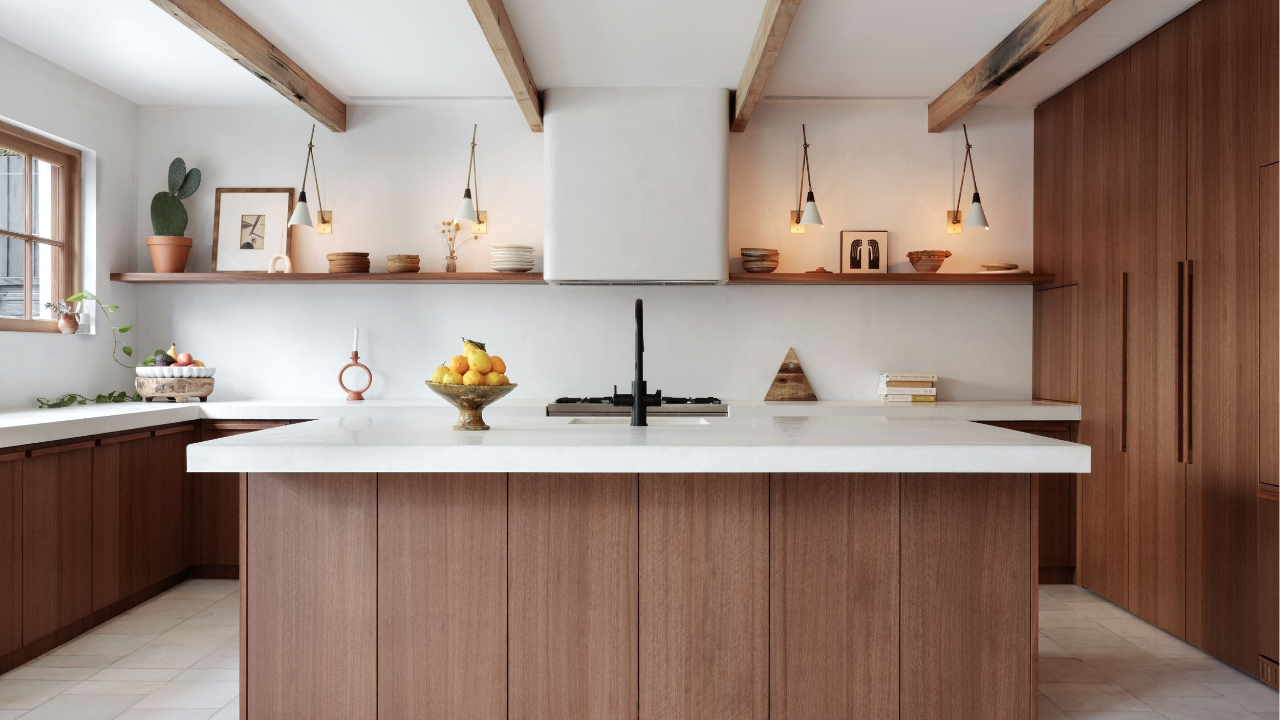
Selecting materials based only on appearance can cause major long-term expenses. Some products fade, warp, or deteriorate in harsh Australian conditions, leading to repairs or early replacement.
Other materials may demand constant upkeep, which adds ongoing costs. When materials are chosen for durability, climate performance, and longevity, homeowners avoid future spending and enjoy a home that stands up to weather, wear, and everyday use.
Here are four additional architectural design mistakes written in the same style, tone and structure as your existing six. All points align with Romaac Group’s emphasis on premium design, cost efficiency and long-term performance.
Homes that ignore future growth often require expensive renovations later. Poor planning around extra bedrooms, flexible living spaces or accessibility leads to structural changes that could have been avoided.
Forward-thinking design supports long-term practicality and protects the homeowner’s investment. ROMAAC Group designs homes with adaptability in mind so families can grow without facing costly upgrades or disruptive extensions.
When window placement, orientation and airflow are not considered early, homeowners often rely heavily on artificial lighting and mechanical cooling. These ongoing costs add up quickly over time.
Thoughtful natural light strategies improve comfort, efficiency and long-term savings. ROMAAC Group ensures every design maximises orientation, breezeways and window positioning for year-round comfort and reduced energy expenses.
Inefficient floor plans lead to wasted square metres, unnecessary hallways and poorly proportioned rooms that cost more to build and furnish. Fixing these mistakes during construction increases labour and material requirements.
A well-resolved layout enhances flow, functionality and spatial efficiency. ROMAAC Group prioritises intelligent planning to ensure every square metre delivers value and purpose without inflating the build cost.
Incomplete drawings and vague specifications often create confusion on site, resulting in variations, rework and disputes that quickly inflate budgets. Builders must make assumptions, which leads to inconsistent outcomes.
Comprehensive documentation provides clarity and cost control from start to finish. ROMAAC Group prepares detailed specifications to eliminate uncertainty, streamline construction and secure accurate pricing from all trades.

Careful planning and expert guidance protect homeowners from unnecessary expenses. Here are practical steps that keep your architectural design on track and within budget.
ROMAAC Group prevents costly architectural mistakes by combining design expertise, technical accuracy and a commitment to long-term value. Every project begins with a thorough site assessment that identifies soil conditions, natural light patterns and environmental factors that often lead to expensive changes when overlooked.
Our team collaborates closely with engineers to ensure your structure is sound, compliant and efficient from the beginning.
We also prioritise practica build layouts that support real lifestyle needs, rather than design choices that create wasted space or unnecessary construction costs. Material selections are guided by durability, maintenance requirements and future proofing so your home remains functional and beautiful for decades.
Clear communication is central to our process. Homeowners receive transparent updates, detailed reviews and early design checks to prevent issues before they reach the build stage. With our integrated approach, ROMAAC Group ensures your project stays on budget, avoids avoidable rework and delivers genuine long-term value.
Poor architectural choices often create problems that only appear once construction begins, leading to unexpected costs, delays and long-term inefficiencies. Careful planning protects your investment and ensures your home performs well for years.
When every decision matters, partnering with a team that understands design, structure and lifestyle flow reduces the risks that catch many homeowners out.
For guidance you can trust from the first sketch to the final finish, contact ROMAAC Group and start your project with confidence.

.svg)

.png)
