
Latest articles
Follow Us


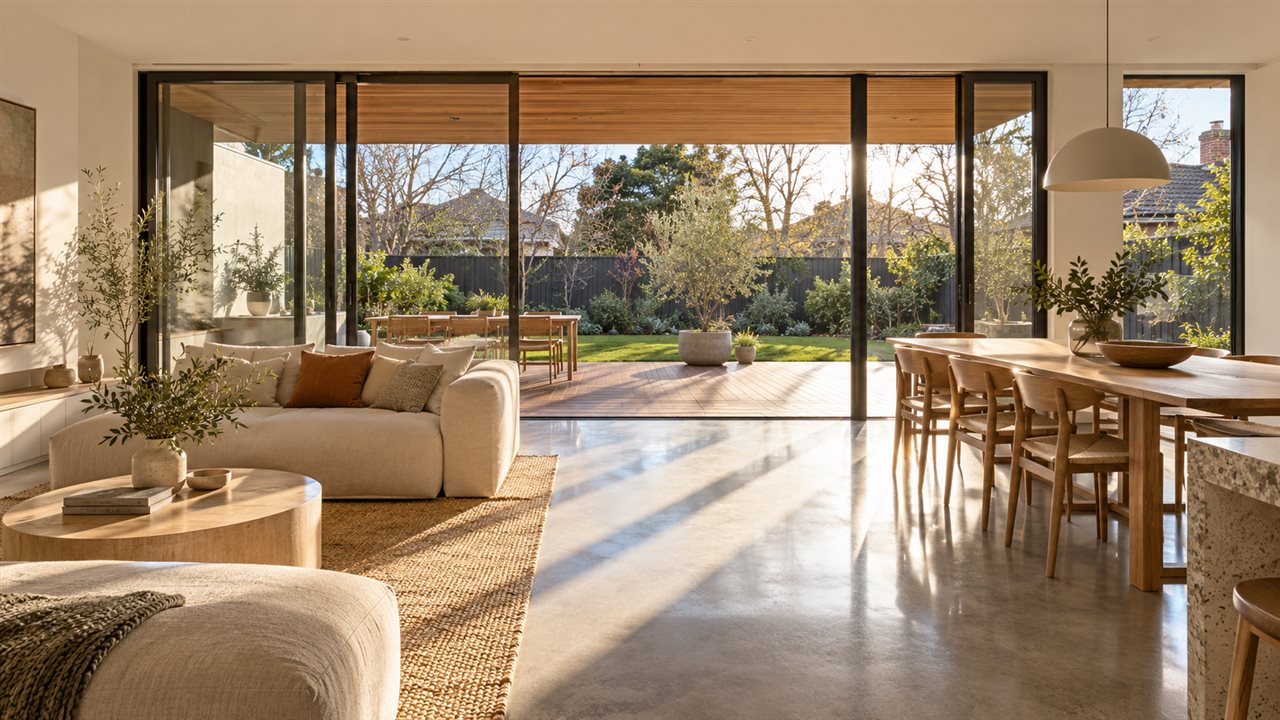
ROMAAC Group delivers custom homes that combine thoughtful design, energy efficiency and responsible material choices. Our team works with homeowners, architects and consultants to integrate sustainable building principles into the wider construction process, with licensed building capability across Victoria and Queensland.
Sustainable construction works best when it is considered from the beginning of the project rather than added at the end. ROMAAC coordinates design, materials, building systems and construction details so sustainability measures form part of the overall home rather than operating as separate features.


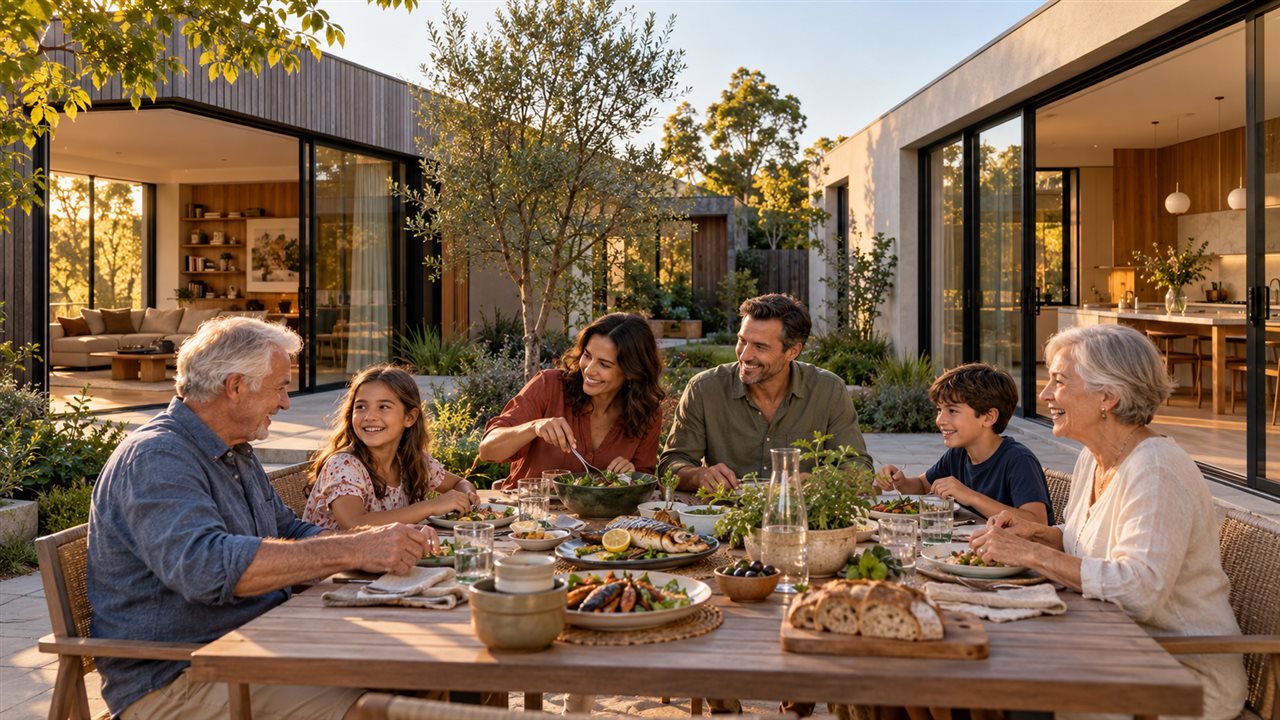
A more sustainable home can improve comfort, reduce unnecessary energy use and support better long-term performance. The benefits depend on the design, systems and materials selected for the individual project.

Thoughtful ventilation, material selection and moisture management can contribute to better indoor comfort and air quality when they are considered as part of the overall building design.
Better insulation, efficient glazing, shading and well-selected building systems can reduce the amount of energy required to heat, cool and operate the home.
Durable materials, efficient systems and considered construction details can help the home perform more effectively over time while reducing avoidable maintenance and energy waste.
Energy-efficient design, responsible material choices and lower resource use can help reduce the environmental impact associated with the construction and operation of a home.
Sustainability measures can be prioritised according to your project goals, budget, site and design rather than applying a one-size-fits-all specification.


