


Latest articles
Follow Us


Many Aussie homeowners underestimate how much structural engineering shapes a custom build, even though more than 60% of construction blowouts come from early engineering oversights. It is a hidden problem that catches people off guard.
One missed load path. One untested soil type. One oversized window without proper support. Suddenly, the whole project feels shaky, stressful, and expensive. No one wants that during their dream home build.
This guide breaks down the essential structural engineering requirements every custom home needs, helping you plan smarter, budget better, and build with confidence from day one.
Structural engineering sits at the heart of every custom home because it determines how safely and efficiently the entire structure will perform over time. A beautifully smart-designed home still relies on accurate calculations, tested load paths and the right foundation system to stay solid through Australian weather, soil movement and everyday use.
When structural engineering is overlooked, small choices turn into costly variations, cracked walls, uneven floors or long-term maintenance problems. Homeowners end up paying for issues that could have been prevented with early planning.
Good engineering also supports creative architectural features, allowing open plan layouts, large windows and complex roof forms to function safely. It shapes budget accuracy, guides material selection and ensures full compliance with council and Australian Standards.
At Romaac Group, we treat structural engineering as a key part of the design process, so every custom home is safe, durable and built to perform for generations.
Every custom home relies on key structural components working together to create strength, stability and long-term durability. These essential elements form the backbone of safe residential construction.
Building a custom home involves far more than choosing layouts and finishes. These structural engineering requirements ensure the home stands strong, stays safe and performs for generations.
Structural engineers assess soil type, reactivity and bearing capacity to design a foundation that supports long-term stability.
A precise foundation plan determines slab type, pier depth and reinforcement needs. When done correctly, it prevents cracking, movement and costly future repairs while ensuring the home can handle local ground conditions.
Engineers map how weight travels through the building to ensure walls, floors and beams safely carry all structural loads. This includes live loads, dead loads and roof loads.
Proper load path planning avoids sagging, deflection or overstressed framing members. It also ensures open plan layouts and architectural features remain safe without compromising the home’s structural integrity.
Every custom home must meet Australian wind classifications, which affect bracing, tie downs and roof connection details. Structural engineers design systems that prevent uplift, twisting or lateral movement during storms.
These requirements influence wall bracing positions, roof truss connections and anchor points. Correct wind engineering ensures long-term safety and protects the home from severe weather.
Large windows, sliding doors and open living spaces require engineered beams capable of supporting significant loads. Engineers calculate the correct material, depth and placement to avoid movement or cracking.
When designed early, homeowners avoid expensive steel upgrades, unexpected variations and construction delays caused by incorrect spans or undersized beams.
Roof engineering considers pitch, shape, weight and environmental loads to select the right truss system and framing. Complex rooflines often require additional bracing, deeper rafters or reinforced junctions.
Structural engineers ensure the roof transfers loads safely into supporting walls and prevents issues like sagging or water pooling over time.
Structural designs must follow NCC requirements and relevant Australian Standards covering wind loads, concrete, timber and steel. Engineers supply certificates, drawings and calculations required for building permits.
Compliance ensures the home meets strict safety benchmarks and protects homeowners from liability issues while ensuring long-term structural performance.
Custom homes on sloping or irregular sites often require engineered retaining walls, cut and fill plans and drainage systems to stabilise the land. Engineers assess slope risk, soil movement and water flow to prevent future structural issues.
Proper earthworks design avoids retaining wall failures, soil erosion or moisture damage and ensures the home remains safe on challenging terrain.
Modern custom homes often include cantilevers, double-height voids, floating staircases and oversized glazing. Each feature demands engineered support systems to ensure safety and performance.
Engineers calculate reinforcement, beam sizing and connection points to allow these elements to function without causing structural stress. This ensures ambitious design elements remain both beautiful and structurally sound.
Every custom home begins with structural decisions that shape its safety, comfort and long-term performance. These key considerations guide architects and engineers from day one.
Many hidden costs in custom home builds come from structural decisions made too late. These common mistakes strain budgets and create unnecessary delays for homeowners.
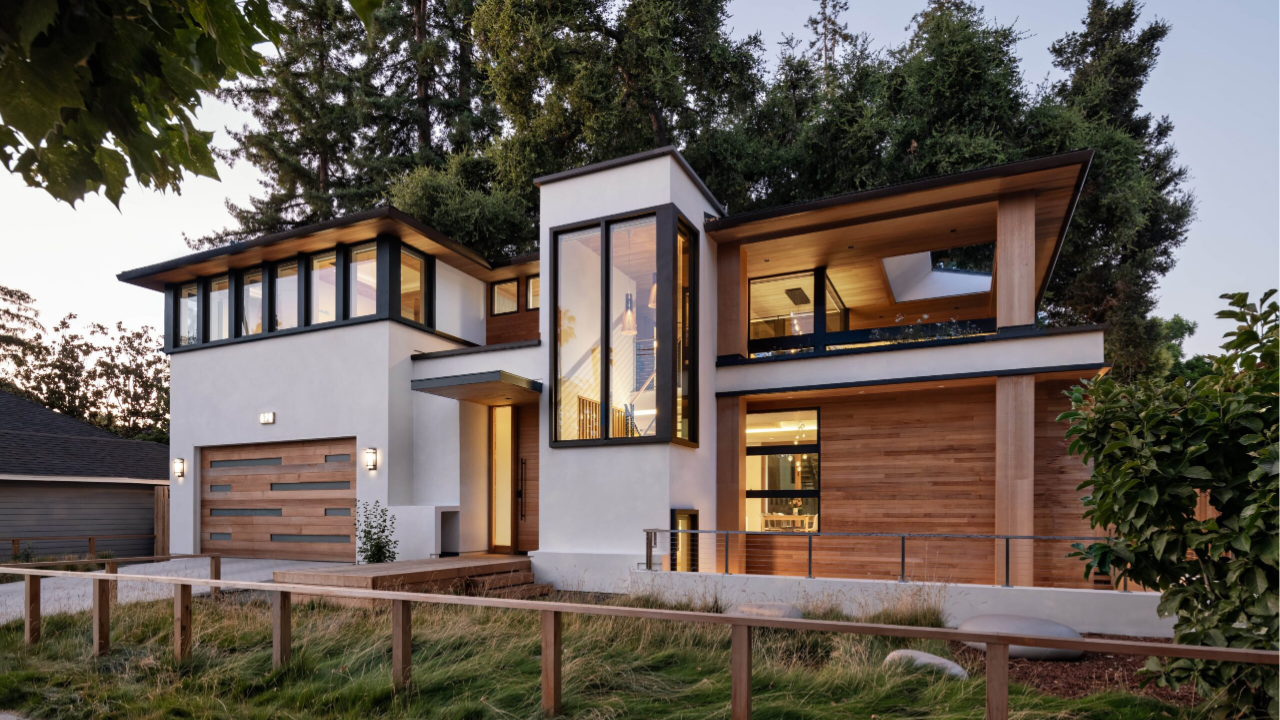
Romaac Group approaches every custom home with a structural mindset from the very first conversation.
Our team works closely with leading engineers to ensure every decision, from soil testing to final framing, is backed by accurate calculations and tested building principles. This early collaboration removes the guesswork and prevents costly surprises once construction begins.
We review site conditions, load paths, foundation needs and material choices to create a design that performs just as well as it looks. Each structural element is checked for compliance with Australian Standards, so homeowners gain complete peace of mind.
During construction, we maintain strict quality control to ensure the build matches the engineering exactly, down to the final connection and fixing. By combining premium craftsmanship with rigorous engineering coordination, Romaac Group delivers custom homes that are stronger, safer and built to stand the test of time.
A well-engineered custom home feels solid, safe, and built for the long haul. Getting the structural details right from the start saves money, prevents future headaches, and gives your design the strength it deserves.
With the right team guiding each decision, your home becomes a lasting investment, not a risk. If you want a custom build that meets every structural requirement with confidence, reach out to Romaac Group.
Our team partners with leading engineers to deliver homes that stand strong for generations.

.svg)

.png)
