


Latest articles
Follow Us


.png)

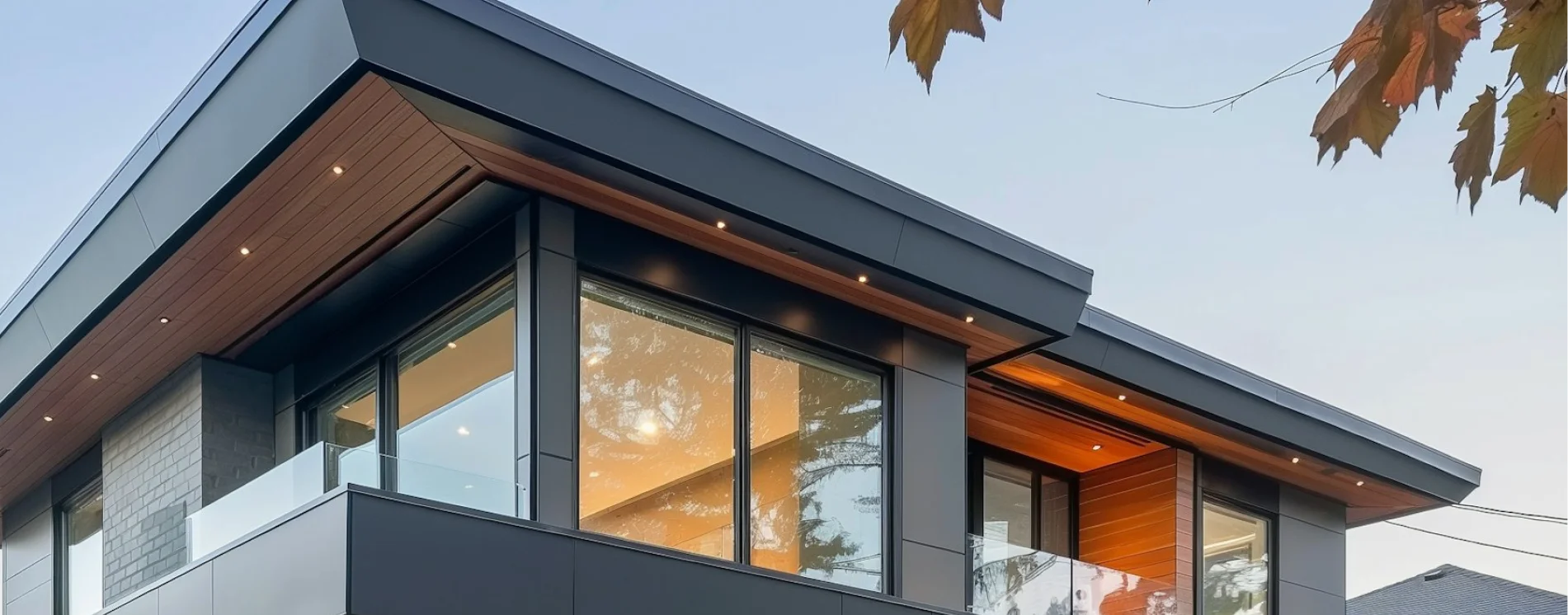
Design mistakes in a custom build can blow out budgets, slow timelines, and lock in long-term compromises. This guide gives practical fixes you can apply before plans are signed: clarify scope, align design with the site, prioritise the building envelope and services, and lock key decisions early.
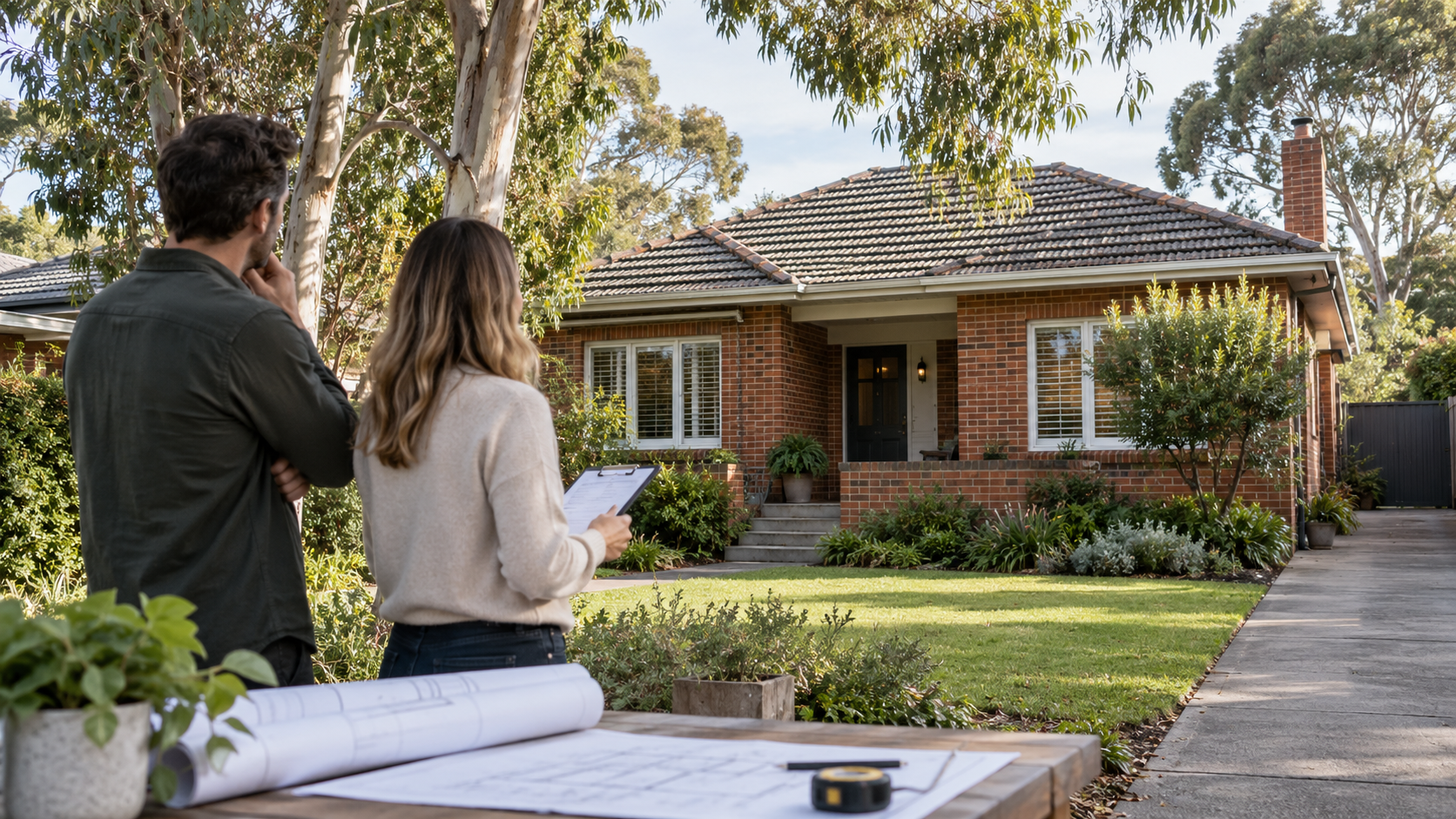
Many regrets begin upstream when owners design in isolation, then discover the plan does not match a builder’s methods, allowances, or cost reality. Engage your builder early, co-design to budget, and map every choice to lifestyle and site conditions from day one.
Starting design without a builder often locks in drawings that are beautiful but unaffordable or impractical for your site. Engage your preferred builder at the concept stage so cost, buildability, and timelines guide each decision.
A builder can value-engineer structure, sizing, and detailing while protecting design intent. You will catch hidden cost drivers early, such as excavation, spans, waterproofing, and glazing ratios. Preconstruction input also aligns allowances, lead times, and methods with your budget.
Ask for high-level estimates at milestones, plus a risks and opportunities log. When design and construction collaborate from day one, you avoid rework, shorten approvals, and move to contract with confidence that your plan will build smoothly at the price you expect.
Short and unclear inclusion lists often lead to confusion, surprise costs, and budget blowouts. Instead of vague allowances, make sure you have a detailed list that clearly shows brands, models, finishes, quantities, and how everything will be installed.
Write down all items that affect cost and comfort, such as windows, insulation, waterproofing, tiling patterns, tapware, cabinetry, appliances, lighting, and paint. Also be clear about site works, utility connections, and extra items like rock removal or retaining walls.
Confirm who is supplying and installing mirrors, shower screens, wardrobes, and landscaping. Ask for room-by-room finish schedules and a marked plan for power, data, and lighting. When everything is chosen before signing the contract, the price is locked in, tenders are easier to compare, and you avoid hidden costs because the scope is clear.

Acting as your own project manager seems like a saving, but hidden risks multiply. Trade coordination, inspections, safety, insurance, and sequencing require expertise and time. One delayed selection or missed inspection can stall multiple trades and blow the program.
Let your builder lead delivery while you focus on timely decisions. If you plan any client-supplied items, document exact scope, delivery dates, storage, and handover points so the schedule is protected. Ask for a master program with clear milestones, look-ahead schedules, and weekly site updates.
Use a single source of truth for RFIs, variations, and approvals. Professional management reduces stress, prevents gaps between trades, and keeps quality, cost, and time aligned from slab to handover.
Designing only for today forces costly renovations tomorrow. Plan flexible spaces that can evolve from nursery to study to teen retreat. Add doors, power, and data so rooms convert easily, reserve wall or floor space for future joinery.
Consider a main-level bedroom with an ensuite to support guests or aging in place. Allow capacity for growth by upsizing electrical board space, conduit pathways, and plumbing rough-ins. Think about roof load allowances for future solar, pergolas, or water tanks.
Zone heating and cooling so you only condition occupied areas. With small, smart decisions at the design stage, your home adapts gracefully to life changes, avoiding demolition and waste while preserving comfort and value.
The cheapest build often costs more over the next fifteen years. Prioritise the building envelope, structure, windows, insulation, air sealing, and waterproofing before premium décor. Efficient glazing and well-detailed roofs outperform flashy finishes in comfort and running costs.
Choose durable, performance-led materials with proven warranties. Specify quality HVAC sized correctly, with zoning and commissioning. Compare life-cycle cost, not just purchase price, for items like flooring, paint systems, and exterior timber. Ask for maintenance schedules and replacement intervals.
When you invest in performance first, you enjoy lower energy bills, fewer repairs, and healthier interiors. Finishes can be upgraded later, but poor envelope choices are expensive to fix once the home is complete.

Ignoring site realities invites structural and moisture issues.Commission soil testing and geotechnical advice, and design to site conditions and orientation. Plan drainage, falls, and retaining to move water away from the house. Map services early to avoid costly relocations.
Design to the sun and prevailing winds so living spaces receive light and natural ventilation while bedrooms remain calm. Consider overshadowing, overlooking, bushfire or flood overlays, and acoustic constraints.
Align eaves, shading, and glazing to reduce heat gain and glare. Good sitework and orientation cut energy loads and improve comfort before you add expensive systems. When the home fits the land, it builds easier, lasts longer, and simply feels better to live in.
A builder without relevant experience learns on your project. Shortlist the right builder, companies that regularly deliver homes like yours, on sites like yours. Review recent projects, request referees, and visit an active site to see quality, safety, and supervision.
Assess communication style, transparency, and how they handle design collaboration and cost control. Ask who will run your job daily and how many concurrent builds they manage. Clarify subcontractor relationships and lead times for critical trades. Look for digital tools for program tracking, selections, and approvals.
A capable, culturally aligned builder prevents friction, protects quality, and solves problems early. The right fit feels responsive, organised, and proactive, which is exactly what you need from concept to keys.
Late selections ripple through the schedule, causing idle trades and rescheduling fees. Create a selections calendar that locks critical items before ordering windows, framing, and services. Approve cabinetry, tiles, sanitaryware, appliances, and lighting with signed drawings and finish schedules.
Track long lead items and choose alternates as backups. Hold regular design reviews with your builder to freeze details at agreed milestones. Maintain a live register for RFIs, variations, and approvals.
The goal is simple planning discipline. When decisions arrive on time, procurement flows, trades sequence cleanly, and the program holds. You save money, avoid compromises, and the site team delivers consistent quality because every person is working from the same, final information set.
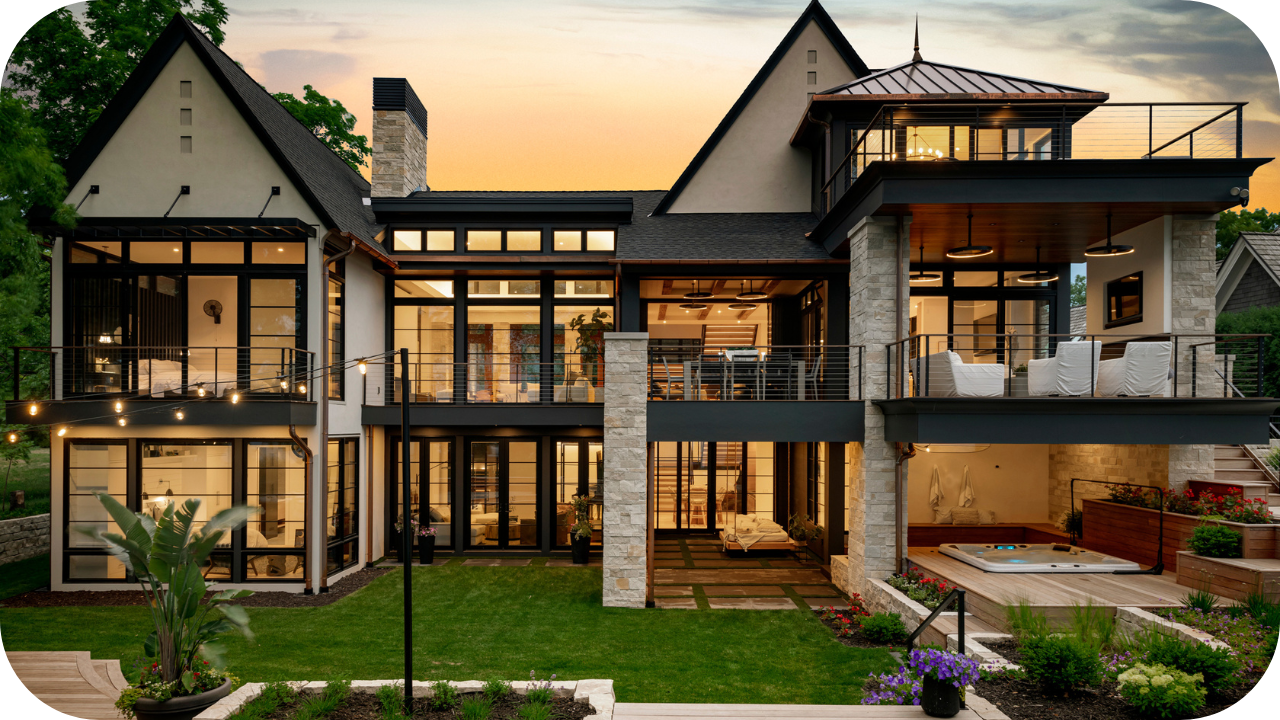
Beautiful spaces must also work for daily routines. Map morning, cooking, homework, and bedtime flows. Provide clear circulation, practical storage, and logical zones for noise and quiet. Size entries, corridors, and bathrooms for comfortable movement and cleaning.
Consider step-free entries, wider doors, and a ground-floor suite to support long-term mobility or visiting relatives. Locate laundries near outdoor drying or bedrooms, and place drop zones where bags and shoes actually land.
Design lighting for tasks and mood, with adequate power and data for work and study. When you match layout to life, the home feels calm and effortless, and it continues to serve you well as needs evolve.
Assumptions cause cost and time pain. Set a communication plan before you start. Hold weekly owner, architect, and builder meetings with minutes, actions, and due dates. Use a central platform for drawings, approvals, RFIs, and variations so nothing is missed.
Confirm who can authorise changes and how budgets update. Encourage early issue spotting and solution workshops with key trades for bathrooms, stairs, and services. Share risks openly and record decisions at each design freeze.
Clear, frequent communication keeps everyone aligned, reduces rework, and builds trust. When the whole team works from the same facts, your custom build stays predictable, collaborative, and enjoyable from the first sketch to the final clean.

Before you sign anything, run through this builder's first checklist to align design with budget, site and lifestyle, stop delays before they start, and protect quality, comfort and costs from first sketch to handover. Here is what to consider:
Avoiding design mistakes comes down to clarity, collaboration, and discipline. When you engage your builder early, document every inclusion, and plan with both the site and future needs in mind, you set the foundation for a smoother building journey. Timely decisions prevent delays, while a well-structured process helps keep your budget on track and your expectations realistic.
A custom home should be more than a design on paper. With the right team and a commitment to thoughtful planning, it becomes a place that delivers comfort, efficiency, and long-term value. The effort you invest upfront reduces the risk of budget shocks or schedule surprises later on.
By approaching your project with clear communication and expert support, you ensure that your vision is achieved without unnecessary stress. The result is a home that not only meets your needs today but continues to perform well into the future.

.svg)

.png)
